


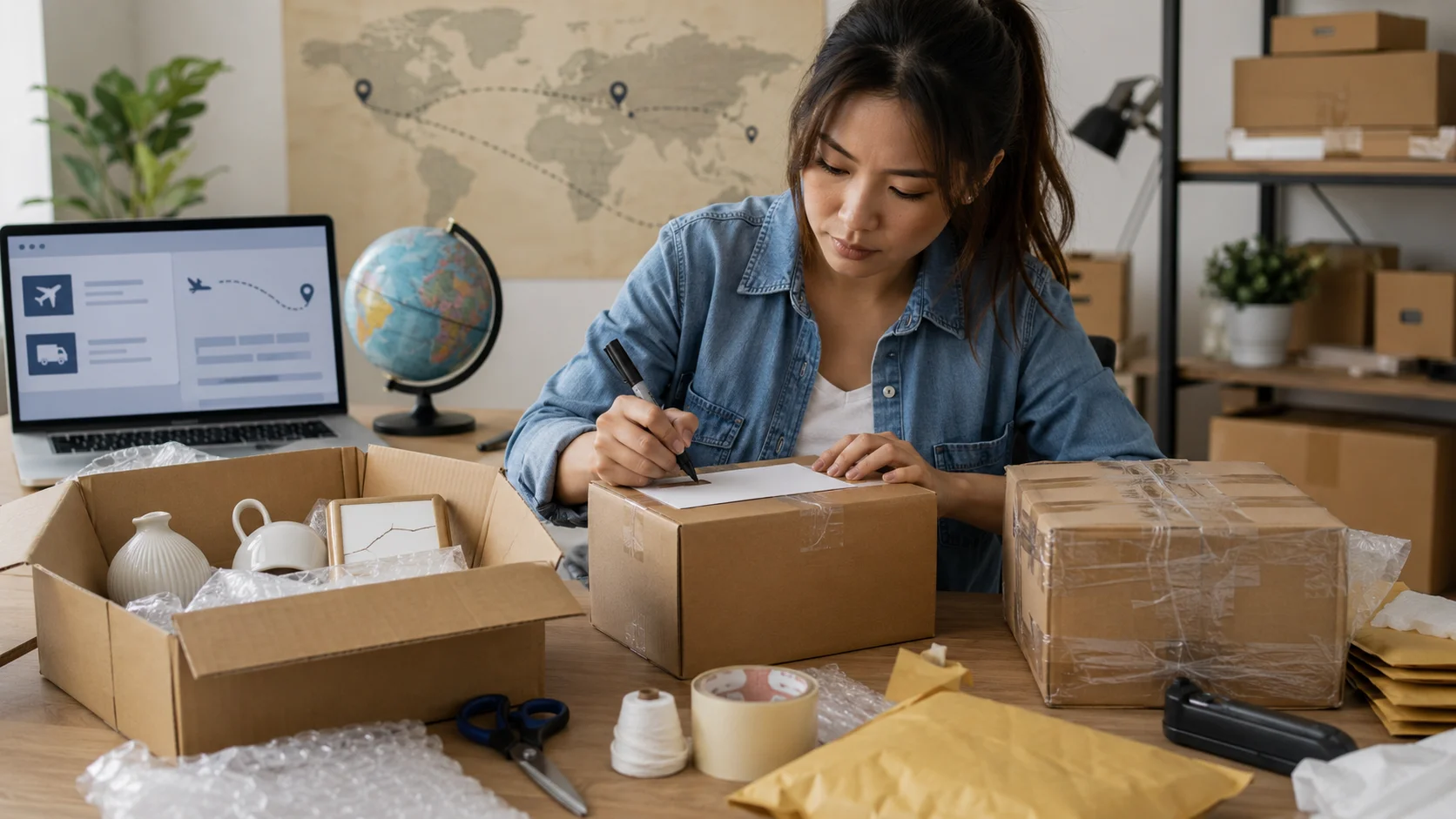
Common Mistakes When Sending Parcels Overseas


 To share
We've been working in the logistics market for many years and know the common mistakes to avoid when shipping internationally. Among the most common issues in recent years, we've highlighted incorrectly filled-in addresses, non-correctly stated values and weights, the presence of prohibited items, etc.
All of these situations can lead to consequences, including shipping delays, returned parcels, extra fees, cargo damage during unloading, and more. Most of these situations occur without the courier or driver's fault.
Therefore, today we'll look at the possible errors and how to prevent them. You'll also find some helpful tips from Meest.
Incorrect or Incomplete Address Details
The first and most common international shipping mistake we'll highlight is incorrectly or incompletely filled-in address fields. As a result, the courier can't deliver your shipment because they don't know the destination. Here's what people most often miss when filling out the address and contact information fields:
- Incorrect street address, city, or postal code.
- No apartment or office number provided.
- No contact phone number to call for further details.
- An inaccurate or incomplete return address.
Missing or incomplete information can have consequences, including the loss of the package. After all, without a return address to redirect the parcel to the sender. Our company simply doesn't know where to return it. Failure to comply with shipping rules can also result in the package being sent to a warehouse, which is very inconvenient to travel to. Such warehouses are usually located on the outskirts or outside the city.
We've compiled several methods for avoiding these international shipping mistakes:
- Check the entire address several times. Double-check that the postal code is correct and that there's an apartment or office number.
- Provide a return address. This way, the parcel won't sit in the warehouse, but will be sent back to you.
- Fill out the address in Latin characters on customs forms. It is essential for international shipments to avoid address errors.
If you follow the advice above, your goods won't end up in the warehouse among lost packages. They will be delivered to the recipient, or you can return them.
Wrong Customs Declaration as One of the Mistakes to Avoid when Shipping Internationally
All Meest shippers receive customs declarations. These contain important information such as the contents of the box, the value of the goods or items inside, and the country of origin. Some customers deliberately reduce the estimated value, for example, to avoid additional taxes in the country of arrival. However, we would like to inform you that any incorrect information on the customs declaration may result in the following:
- Delays at customs for data verification. Workers may unpack and repack inadequately, leading to damage or loss.
- Return or destruction of parcels. During routine inspections, if they find discrepancies in the information provided in the declaration, services may seize and destroy it. These are mistakes to avoid when shipping internationally.
- Additional taxes, fines, or confiscation. Violating customs clearance procedures may result in additional charges. There is also the risk of losing all contents.
- Loss of trust from logistics providers. They may even stop providing services to you in the future. If you represent a business, it's best to complete declarations correctly.
We often find the following typical overseas parcel shipping errors:
- Vague descriptions of items. For example, instead of using the word "parcels," it's worth describing in more detail what's inside—a toy train, a sweater, and a blanket.
- Understating the value. In some cases, this can even be a violation of the law, especially if you're selling goods and understating their value to avoid paying taxes.
- Incorrect documentation. It's best to double-check everything, including the grammar.
- Lack of important supporting documents for specific product categories.
We believe it's extremely easy to avoid documentation issues. Here's what you should do:
- List in detail what's inside: 2 toy trains, 10 multi-colored pens, two 120x80 blankets, and 1 photo frame.
- Write the actual value: this also applies when shipping personal or used goods.
- Check the destination country's requirements: India may have a different minimum tax-free amount compared to Poland.
- Submit an invoice to confirm the information: all commercial companies and online stores do this to simplify customs clearance.
Conclusion: It's better to be honest. Don't want your things or creations to be disposed of? Then conduct your business accurately and honestly.
Poor or Insufficient Packaging
The most common international shipping problems related to poor packaging include the risk of losing the items. We always strive to provide advice, so we've compiled a list of essential points regarding incorrect packaging:
- Weak or worn boxes.
- Lack of bubble wrap for fragile items.
- Reusing boxes with old tags and tracking codes.
- Uneven weight distribution of contents, such as placing a heavy item on top.
Below we'll provide simple packaging tips that we've long tested:
- Use new containers or ones in perfect condition.
- Fill any empty spaces with bubble wrap or use smaller boxes.
- Wrap fragile items and securely fasten individual parts.
- Remove old labels from boxes to avoid confusion.
Affix a label indicating that the items inside are fragile. These simple methods can help prevent delays in international parcel shipments. After all, containers can rip, and items can get lost if improperly packaged.
Sending Prohibited or Restricted Items
There are two groups of goods that people cannot ship:
- A list of items prohibited by law in the destination country.
- Items prohibited everywhere, such as weapons.
Sending such goods or items can risk confiscation, hefty fines, and even imprisonment.
Below you will find a universal list of items prohibited in most situations and countries:
- Weapons and their components.
- Explosive and highly flammable substances.
- Toxic substances.
Important: In some situations, shipping alcohol and tobacco is permitted, but requires proper, airtight packaging and special labeling.
Important points before shipping:
- Check the list of prohibited items on the Meest website.
- Consult a Meest consultant if you have any doubts about whether your goods can be shipped.
Most importantly: don't try to avoid liability for transporting prohibited items. Don't create generic descriptions of a box's contents. Customs services are aware of such situations and immediately spot suspicious shipments.
Misjudging Delivery Times
International shipping mistakes also include incorrectly estimated delivery times. You may not be able to deliver to your customer on time if you don't consider the following factors:
- Potential delivery delays.
- Transportation factors.
- Holidays and general service workload.
- Complex routes.
Meest employees recommend the following:
- Allow an extra couple of days for unforeseen situations.
- Confirm delivery times with a Meest consultant.
- Use advanced services such as express delivery for urgent shipments.
- Plan ahead.
Tip: Holidays are always a busy time. Therefore, it's best to send gifts well in advance.
Incorrect Parcel Weight or Size
When calculating the cost, you may also be making a couple of common parcel delivery mistakes. Meest takes into account not only weight but also dimensions. After all, some items are lightweight but take up a lot of space in the container.
Here are some mistakes we would highlight:
- Inaccurate measurements.
- Incorrectly weighed boxes.
- Deliberately understated weight and dimensions.
To avoid misunderstandings between you and us, please do the following:
- Use an accurate scale to weigh the already-packed box.
- Enter accurate data into the calculator to calculate the cost.
Not Insuring Valuable Parcels
In our experience, there are a couple of items that are worth insuring. Despite strict controls and vetted employees, situations beyond our control still arise. Insurance will protect you from these unexpected losses.
What Meest employees recommend insuring:
- Documents.
- Valuables.
- Artwork.
- Intellectual property.
Tip: Be sure to keep all receipts so you can analyze the situation in detail later.
Conclusions
Situations vary. However, as our article shows why parcels get delayed internationally and how to avoid damaged parcels’ situations. You can avoid misunderstandings by simply following the rules.
To share
Our news

What to Send Your Child to University This Autumn
Simple guide to sending one from the UK without the usual hassle.
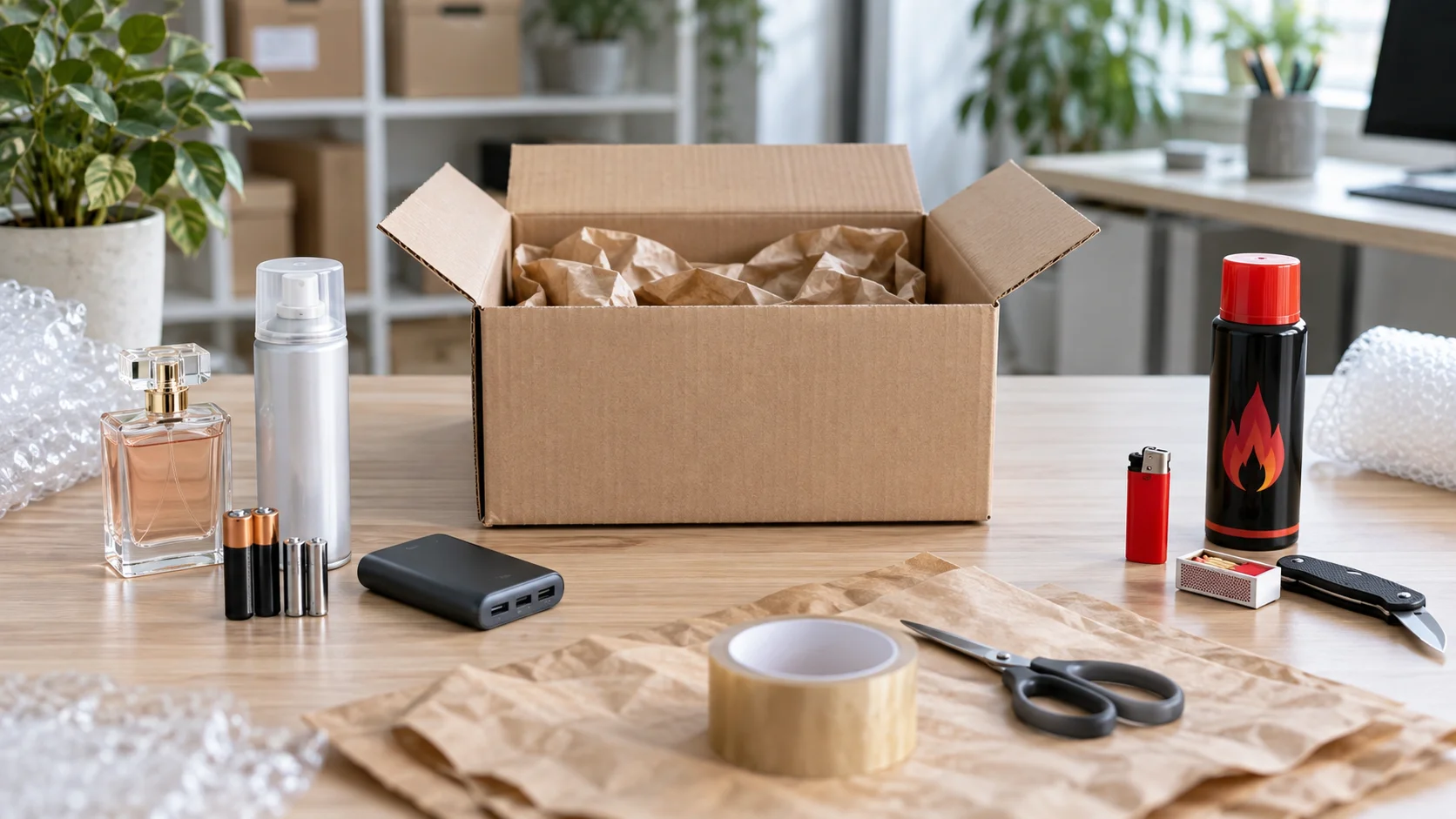
Restricted vs. Prohibited Items: What's the Difference?
We’ll explain the restricted and prohibited item meaning, give some real examples, and show you what to check before sending your parcel with Meest UK anywhere.
Best Way to Send Gifts to Ukraine from the UK
How to send presents to Ukraine without even leaving the house.

Send Gifts to India from the UK: 2026 Festival Guide
How to send gifts to India from UK? Choose the perfect gifts for your loved ones, and Meest UK will deliver them to family in India in time
How to Send a Parcel Within the UK: A Step-by-Step Guide
Here's how to send a parcel within the UK with Meest. from choosing suitable packaging and preparing your shipment to selecting a delivery service and tracking your parcel.
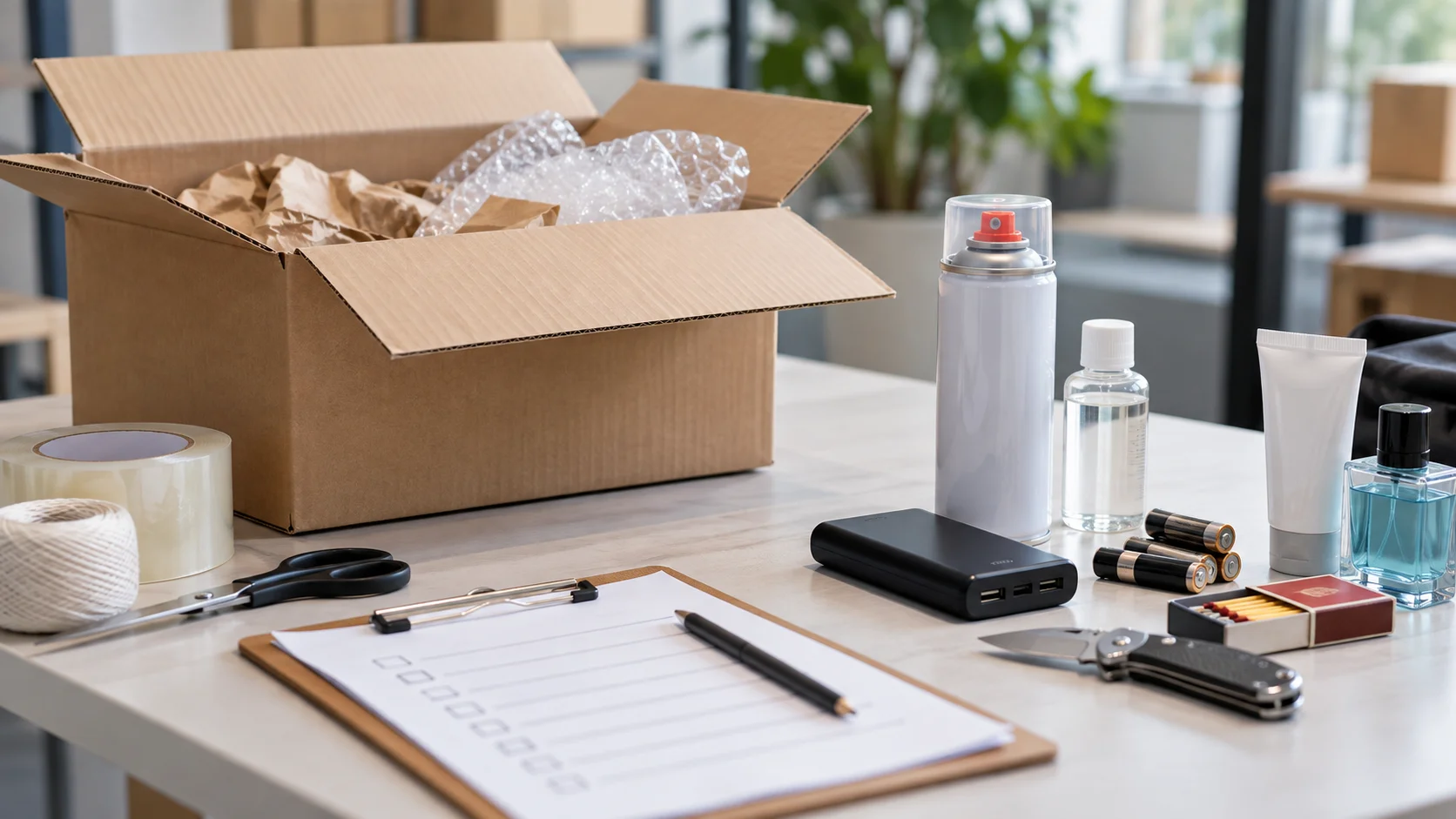
Before You Ship to the UK: A Checklist of Prohibited Items
Find out which prohibited items to UK can't go in your parcel, what's restricted and how to avoid losing your box at customs: a checklist.
India to the UK Shipping Guide: What You Can and Cannot Send
We explain what you can and cannot send from India to the UK, which items may be restricted or prohibited, and what to check before preparing an international parcel.
Restricted & Prohibited Items for Shipping to Poland from the UK
We explain which restricted and prohibited items cannot be shipped to Poland from the UK, why certain goods are limited, and what to check before sending a parcel.